No Game No Life: A Designer's Embroidery Review
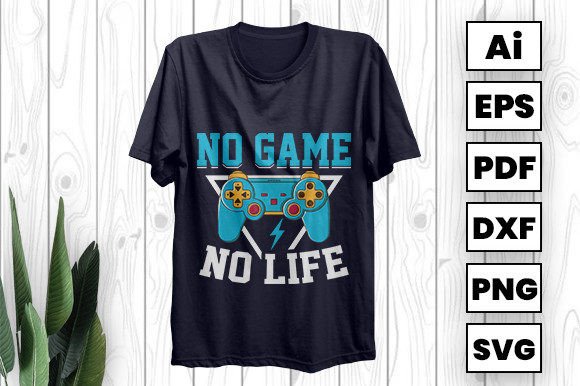
When I first opened the digital preview for No Game No Life, my immediate reaction was one of cautious optimism. As someone who has spent years curating design assets for both personal craft projects and a small boutique shop, I know that a graphic looks different on a screen than it does stitched into fabric. The title suggests a bold, playful energy, often associated with gaming culture or anime aesthetics, but the real test lies in how this machine embroidery design translates from pixels to thread. For any Etsy seller or small business owner looking to expand their catalog with unique T-Shirt Designs, understanding the practical limitations and strengths of a file before you cut your first stitch is essential.
First Impressions: Visual Personality and Layout
The initial layout of No Game No Life strikes a balance between intricate detail and bold statement pieces. In the context of Graphics intended for apparel, the design features strong outlines and distinct shapes that are crucial for maintaining clarity after stitching. Unlike some overly complex files that lose definition when scaled down, this design retains its visual personality even at moderate sizes. The mood it creates is energetic and modern, making it an excellent candidate for custom apparel targeting younger demographics or fans of pop culture.
However, as a professional reviewer, I always look for potential pitfalls. The density of certain areas suggests that while the design is visually striking, it requires careful management of stitch density. If you are planning to use this on a thick material like a fleece sweatshirt, the added bulk of the thread could cause puckering if the backing isn't chosen correctly. Conversely, on a light cotton tote bag design, the open spaces within the graphics allow the fabric texture to breathe, preventing the finished product from feeling too heavy or stiff.
Real-World Application: From Hoop to Finished Product
Let's walk through a realistic scenario. Imagine you are preparing a limited run of personalized gifts for a holiday sale. You decide to use No Game No Life on a set of canvas tote bags. This is a high-demand item for craft businesses, and the durability of the design is paramount. When I simulate the stitching process mentally, I see that the bold lines of the design will hold up well against the rougher weave of canvas. The fill stitch areas appear substantial enough to cover the fabric without showing gaps, which is critical for customer satisfaction.
Now, consider a different application: a delicate baby onesie. Here, the No Game No Life design needs to be treated with more care. While the theme might appeal to parents who are gamers, the physical execution must be soft. Using a fine running stitch for outlines and ensuring the thread colors contrast gently rather than aggressively would be key. If the design includes sharp angles or tiny lettering, scaling it down for a baby item could result in a muddy appearance. In this case, I would recommend using the design only on larger items like nursery blankets or pillow covers where the details can be appreciated without compromising comfort.
For the apparel decorator working with commercial orders, the versatility of this file is a major asset. It works well as a standalone chest logo on a hoodie or as part of a larger back print on a t-shirt. The ability to create a cohesive brand look using design assets like this allows digital product sellers to offer consistent quality across various merchandise types, from embroidered patches to full-scale garment decoration.
Navigating Fabric Challenges and Technical Nuances
Every designer knows that fabric choice dictates success. With No Game No Life, there are specific situations where caution is advised. On textured fabrics like denim or corduroy, the intricate parts of the design might get lost in the weave. Similarly, on stretchy materials like jersey knit, the tension of the machine embroidery design can distort the shape if the stabilizer isn't robust enough. Always test on scrap fabric first to ensure the design doesn't warp during the stitching process.
Dark fabrics present another challenge. The description mentions the designs are great for various uses, but achieving vibrant results on black or navy garments often requires a underlay layer that might not be included in the default embroidery file. You may need to adjust your machine settings to add a white base layer manually to make the colors pop. Without this step, the finished product could look dull, reducing the perceived value of your handmade item.
Curved surfaces, such as caps, also require attention. If the No Game No Life graphic contains long horizontal lines or wide fills, they may not conform perfectly to the curve of a hat panel. In these cases, breaking the design into smaller segments or choosing a placement area with less curvature is advisable. This ensures the final result looks professional and intentional, rather than stretched or distorted.
Maximizing Value for Your Craft Business
For those selling on platforms like Etsy or running a local booth at a craft fair, the presentation of your work is everything. A well-executed No Game No Life project can significantly boost buyer engagement. The design's recognizable style helps in creating a memorable brand identity. However, remember that customers trust quality. If the stitching is loose, the threads are fraying, or the design is misaligned, it reflects poorly on your entire shop.
To maintain high standards, always review the hoop size requirements before purchasing or using the file. Ensure your hoop is large enough to accommodate the design without cropping essential elements. Additionally, check the licensing terms carefully. While the product description mentions it is an instant download suitable for gifts, you must confirm whether you are allowed to sell finished goods commercially. Many designers restrict the resale of the digital file itself, even if selling the embroidered item is permitted. Clarifying this upfront protects your business from legal issues.
Practical Checklist for Designers
- Test Stitch: Always run a test on a similar fabric to check for puckering or thread breakage.
- Color Contrast: Verify that the thread colors stand out against your chosen background, especially on dark fabrics.
- Stabilizer Selection: Use a tear-away stabilizer for woven fabrics and a cut-away for knits to support the design weight.
- Mockup Review: Create a printable mockup in black and white to assess the visibility of details before committing to expensive thread.
- Licensing Check: Confirm the rights to sell personalized gifts or commercial embroidery products using this specific file.
- Detail Inspection: Zoom in on the preview to ensure no tiny letters or thin lines will disappear during stitching.
In conclusion, No Game No Life offers a compelling option for designers looking to inject fun and personality into their portfolios. Whether you are creating a one-off holiday gift or launching a new line of handmade products, the key to success lies in preparation. By understanding the technical requirements and respecting the limits of the medium, you can transform this digital graphic into a tangible, high-quality piece of art that customers will love. As with any embroidery project, the difference between a good product and a great one often comes down to the attention to detail you put in before the needle ever hits the fabric.